

Looking for Treadmill Motor Mumbai India
We are Qualified & Professional | Treadmill Motor Mumbai India Near Me


Our Services
Our Products

AC Motor

DC Motor







Get In Touch
Treadmill Motor
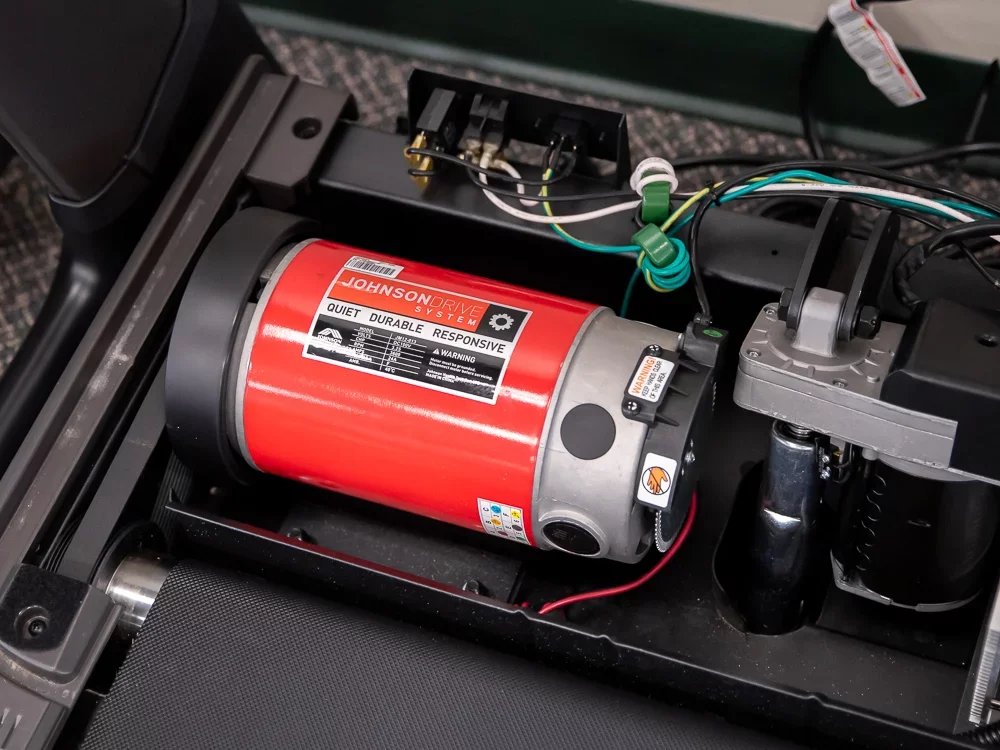
The Treadmill Motor Price is a heart for this machine-it carries the belt, so it must provide smooth, steady performance in motion throughout the workout. Walk, jog, or run-if you want a treadmill to guarantee smooth efficiency, strength, and a good working experience for the user, the motor has to deliver. So when a person is thinking about spending money on a treadmill, the mattress will be placed among the very first things to consider, as the capacity and quality of the motor define its ability to withstand the various loads and speeds placed upon it during workouts.
Treadmill motors kit, generally speaking, classify themselves further into two main varieties: continuous duty motors and peak duty motors. Continuous duty motors describe the power output level or power for which a treadmill can work constantly without interruption, so it can be said to be a more reliable power level for long-term operations. In contrast, peak-duty motors state or indicate the maximum power a treadmill can provide but cannot necessarily maintain. For general use in the home or gym, continuous-duty motors are recommended as they provide a stable and smooth operating work-object environment.
The horsepower rating of a treadmill motor is another important factor that defines its capability. Typically, a motor with 2.0 to 2.5 CHP (continuous horsepower) is sufficient for walking and light jogging, while running requires a stronger motor, generally 3.0 CHP or higher. The stronger the motor, the better it can handle higher speeds, heavier users, and longer workout sessions without overheating or wearing down quickly. Choosing the appropriate horsepower based on personal fitness requirements would make the treadmill both an efficient and long-lasting machine.
Noise is another factor affected by the type of treadmill motor. High-quality motors run quietly to make it more comfortable to work out at home while not disturbing the rest of the household. A smooth-running and quiet motor is considered almost necessary for apartment dwellers or users living in shared accommodations: it greatly contributes to the ambience of their overall workout.
The treadmill motor also determines the durability and maintenance of the machine. A good motor should be able to sustain years of usual use with little to no issues; however, an inexpensive or poor-quality motor will either burn out or will have to be repaired often. A lot of brands nowadays are placing cooling systems within their tread-mill motors to keep them from overheating and to prolong their lifespan: the longer a motor lasts, the better for a user wanting to put it through intense or extended workouts.
Energy efficiency is another factor that users often overlook. A good treadmill motor should provide worthy performance at a reasonable amount of electricity. More energy-efficient motors are being increasingly employed in treadmills nowadays that offer performance options with lower power consumption, thus ensuring long-term use at a less expensive rate.
The treadmill motor is ultimately the core of any performance and reliability issue pertaining to the brand name. It works on how smoothly the belt runs, how good the treadmill reacts to speed changes, and how well the equipment fares over time. So when buying a treadmill, one has to look at the quality of the motor and good horsepower rating, design of the motor itself, and these will all determine much of the workout experience. A good strong and durable motor in a treadmill would offer smooth performance with less noise and would be an excellent addition to see through in your fitness realm.
What is the ideal horsepower for a treadmill motor for Price?
When buying a treadmill motor home, one considers motor horsepower. Energy from the treadmill motor is transmitted to the belt to ensure smooth running, weight handling, and durability of the machine. Depending on the types of workouts, the number of uses, and the user’s weight, one of the most important criteria for choosing an adequate horsepower on the motor is here. For various kinds of home treadmill requirements, some factors are considered below into arriving at an adequate horsepower.
1. Walking Purposes
If the treadmill usage is mainly for walking, a motor of about 2.0 continuous horsepower (CHP) should suffice. Walking places less stress on the motor than running, so a low-horsepower treadmill will still operate smoothly without overheating.
2. Jogging Workouts
A good treadmill for jogging at low speeds or brisk walking should have 2.5 to 3.0 CHP. This horsepower range allows sufficient power to run at a moderate speed while keeping the treadmill steady and durable during longer workout periods.
3. Running and Intense Training
If you want to run, sprint, or do high-intensity cardio on your treadmill, go for a motor of at least 3.0 CHP or higher. Sprinting pressures the motor more whereas higher horsepower will keep the belt running without lagging or flickering, even at higher speeds.
4. Consideration of User Weight
User weight is another conditioning factor in choosing the right horsepower for your treadmill. Heavier users exert greater motor load; hence, if primary users weigh above 90–100 kg, it is better to opt for a treadmill with a higher horsepower-testing rating than what is barely recommended. For example, if you are a runner and are of above-average weight, you may want to consider a 3.5 CHP motor for long-term performance.
5. Continuous Horsepower vs. Peak Horsepower
Differentiate between continuous duty horsepower (CHP) and peak horsepower (PHP) when viewing specifications for treadmills. CHP is a power rating that refers to the motor’s ability to deliver possibly for an extended period, whereas PHP is the rating of the power at maximum level for a very short burst of time. For a home gym, the priority should always be the Continuous Horsepower because it reflects what the treadmill can really do in a normal workout.
6. Noise and Efficiency
A motor selected with the right horsepower ensures the best performance, while this almost automatically guarantees quieter functioning and higher efficiency. Generally speaking, a treadmill motor with enough horsepower will be the quietest and smoothest, a critical criterion from the viewpoint of an individual working out at home, more so when situated in an apartment, or in a common space shared with others.
However, the proper treadmill motor for home use depends largely on how one intends to employ it. For walking, 2.0 CHP suffices; for jogging, 2.5 to 3.0 CHP; and higher intense running calls for anything above 3.0 CHP. Giving consideration to user weight and intensity of workouts in the purchase ensures your investment’s durability and smooth operation for long-term returns.
How long does a Treadmill Motor Mumbai last with regular workouts?
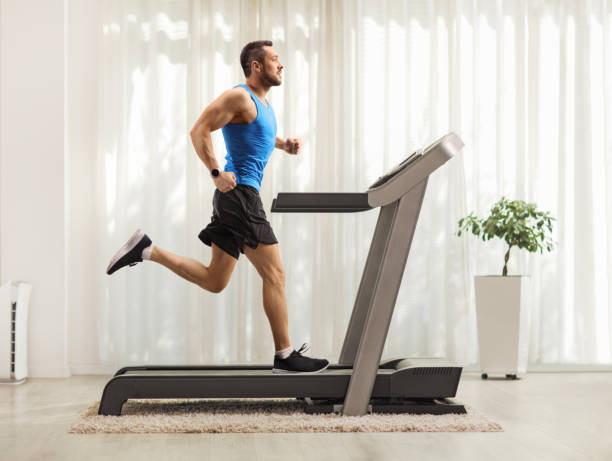
The treadmill motor Mumbai is the powerhouse of the machine responsible for driving the belt and allowing smooth performance during workouts. One of the most pertinent questions people have when purchasing a treadmill for home or gym use is how long the motor will last under regular use. This depends first on the quality of the motor and second on how often the treadmill is used for workouts and the intensity of those workouts. On average, a good treadmill motor will last for about seven to ten years of regular use, but this time period can either be increased or decreased, depending on how the treadmill is treated.
The frequency and nature of workouts are strategic in limiting motor life. For instance, a person walking for sessions rarely over a couple of times per week is considerably less dangerous to the motor than a person running at kilometers per hour daily. It does not take a motor with a HP rating high enough for continuous use walking so that the motor puts forth little pressure, thus increasing life. On the other hand, different levels represent demands for running, sprinting, and intervals on the treadmill motor, decreasing it overall if the motor is not powerful enough to cope with that intensity.
Another factor is the horsepower rating of the treadmill motor itself. A treadmill with sufficient continuous duty horsepower (CHP) for the intended type of workout generally lasts longer. If the motor is underpowered for the user’s weight or workout style, it will have to work harder and is more likely to wear out prematurely. For example, working a 2.0 CHP motor daily might lead to it going bad quickly compared to 3.0 CHP or motor higher working level and heavy duty.
Maintenance too plays a big role in extending the life cycle of a treadmill motor. Dust, dirt, and absence of lubrication increase the friction between the belt and deck and this makes the motor work harder. Cleaning the treadmill regularly, lubricating the belt on time, and ensuring good ventilation help in reducing unnecessary stress on the motor. One should also avoid placing heavy weights exceeding the maximum user weight for the treadmill as this may degrade motor functionality over time.
Conversely, the conditions under which the motor is kept enable or even disable the longer life of the motor. A treadmill stored well in a dry, clean, and well-ventilated environment is surely far better off in terms of performance when compared to one stored in a humid or dusty environment. Excessive dampness might cause damage to the motor parts while the accumulation of dust might clog the motor and the cooling system, thereby decreasing the efficiency and lifespan.
Ultimately, a treadmill motor is designed to last many years if matched correctly to the user’s needs and maintained properly. Basically, with normal workouts, the average life expectancy is about seven to ten years. Depending on the quality of treadmill motor set, good maintenance, and care, the motor can last even longer. On the other hand, lack of maintenance, going under heavy strain, or using a motor not suited for the particular workout style really speeds it down in life. For anyone investing in a treadmill, selecting a model with motor power ideal for that particular purpose and making sure that proper upkeep exists are the best ways to maximize the life span of the treadmill and get maximum utilization from the machine.
What are the signs that your Treadmill Motor Online needs replacement?
The treadmill motor Online is the most important part of the machine; it basically powers the belt and keeps everything running at a constant speed during a workout. Over time and with normal usage, motors wear out or sometimes develop faults that compromise the proper workings of the treadmill. If one wants to avoid further damages upon the motor and ensure safety during workouts, one would first have to be aware of the signs indicating the motor going bad. Signs to look for might be that the treadmill motor calls for replacement.
1. Odd Noises
A motor in good condition doesn’t make any sound while running, except for a slight noise due to movement. When you begin to hear grinding, squealing, or knocking noises, it is often an indication that some of the motor parts may have been worn out. Continuous unusual noises are one of the earliest signs that the motor is failing and may soon require replacement.
2. Burning Smell
A burning odor coming from your treadmill is a red flag. This frequently suggests overheating or internal electrical problems of the motor. In any case, if it emits a strong burning smell while you exercise, stop using it immediately and have the motor checked because further use may cause permanent damage or may cause a fire hazard.
3. Inconsistent Speed
If the treadmill belt slows down, speeds up suddenly, or struggles to maintain a steady pace even when settings are fixed, it suggests that the motor is losing power. Inconsistent belt movement usually points to weakened motor performance and is a common sign that replacement may be needed.
4. Frequent Tripping of Circuit Breaker
The motor, when it went faulty, started to draw more amount of electricity causing the circuit breaker to trip second time. If the treadmill is shutting down over and again because of electrical overload, then it is a clear sign that the motor may be dying.
5. Getting too hot during use
Normally, a treadmill motor tends to get a bit hotter; however, this is a problem during light or ordinary use. If the motor gets hot in a very short time, it might be unable to bear the workload, which usually indicates that it is nearing the end of its useful life.
6. Failing to Start and Abrupt Stopping
Another indication of motor trouble is if the motor would not even start when supplied with power or if it stops abruptly while running. These could be caused by worn motor brushes, bad wiring, or a motor that has failed altogether. Most often, a treadmill motor replacement is chosen over repairs.
7. Reduced Performance Over Time
If you start to see speeds higher than 10 km per hour, heavy loads, or long workout sessions become prohibitive right before you, your motor operation does lose good life. When you observe dwindling performance even in regular maintenance schedules, you get a very good indication of the motor nearing exhaustion.
Watch for telltale signs of dying treadmill motors for efficiency and safety purposes. Strange noises, burning odors, overheating, inconsistent speeds, frequent circuit trippings, or sometimes just shutting itself down always indicate motor-related problems. In the long run, replacing the motor is almost the sure shot very reliable solution to restore the treadmill’s efficiency and smooth working.
What is the function of a motor in a treadmill?
Treadmill motors are crucial elements of the machine since they drive the running belt’s movement, and in doing so, provide stable and smooth operation. A treadmill without a motor would not be capable of offering controlled speed, incline support, or a stable workout environment. The power and the quality of the motor are the main factors influencing the treadmill’s performance, durability, and user experience.
The main purpose of a motor in a treadmill is to rotate the running belt at the selected speed. Don’t make this a synonym of a tortoise racing the rabbit I know for a fact what I mean incessant! The user can thus keep a steady pace at the cost of the energy that would be required if he/she were pushing the belt, which subsequently facilitates and makes the exercise more reliable. A sufficiently powerful motor can also rotate the belt without noise and without jerks when the user quickens the pace or alters the workout’s intensity.
Moreover, the motor is crucial in that it raises the user’s weight during the workout. With every step a person takes on the treadmill, a motor needs to counterbalance the downward force that is being applied. A strong motor can take care of not only heavy users, but also lengthy workout sessions without losing its performance due to overheating or getting slowed down. It is very important for the runners or those who use the treadmill a lot, as the performance consistency is lessening the strain on both the machine and the user.
The motor is very important for the treadmill to keep speed steady. A person exercising may change their stride, pace, or body position, which can result in an uneven belt movement. Such a powerful motor will be able to maintain the set speed by automatically increasing or decreasing the power output, this way, a workout will be smooth and continuous. This stability of speed is a must for many fitness programs like intervals, long runs, and even rehabilitation when exact speed control is so necessary.
The treadmill with the incline feature has the motor supporting the incline mechanism when it comes to uphill training. A separate motor frequently governs the changes in incline, but still, the main drive motor is under extra stress when the belt is at a higher position. Raising the incline means that the motor has to provide extra torque in order to keep the belt moving at the speed chosen since the incline increases resistance. This synchronization signifies that one goes through a genuine and effective training process.
Treadmill motor, in addition to its contributions, has a very nice side that is overall safety. A motor that responds quickly will be able to perform big speed changes and smooth deceleration when the user either decreases the speed or has the machine stopped. In this manner, one avoids the sudden jerks that may lead to losing the balance or injuring oneself. On the other hand, noiseless and efficient motors takeaway the vibrations and noise thus making an environment that is more pleasant and friendly to the user.
A good choice for an effective and long-term workout machine is a treadmill equipped with a long-lasting and reliable motor. The electric motors of today are designed to use power efficiently while keeping the output even. The application of smart energy management technique reduces electricity cost and eliminates the heat that may be a factor in the premature death of the treadmill. Furthermore, the combination of advanced motor design and efficient cooling systems effectively prolongs the life of the treadmill with less frequent maintenance.
To sum it up, the motor can be regarded as the heart of the treadmill that is responsible for several important functions such as moving the belt, the user weight support, speed control, and incline offer. Its operation has a direct influence on safety, comfort, and the overall quality of the workout. The motor that is powerful and reliable at the same time guarantees trouble-free operation, longevity, and an efficient fitness experience for all users regardless of their fitness level.
How does the power rating of a treadmill motor affect performance?
The treadmill motor’s power rating is one of the crucial aspects in deciding the overall performance of the treadmill. The motor power is the factor that affects speed consistency, weight capacity, equipment lifespan, and ultimately, the user’s experience. By knowing the relationship between the motor’s power rating and performance, one can select a treadmill that perfectly fits his/her fitness goals and usage requirements. The most significant impact of motor power rating on performance is discussed below.
Consistency in speed is one of the main reasons for motor power rating
The motor rated for high power smoothens and makes the belt movement more consistent. When running or walking the motor has to catch up with body weight and stride changes particularly in high speeds. Accordingly, a strong motor can keep the speed constant without slowing down or jerking thus providing a steady and comfortable workout.
Enables more weight of the user
A treadmill motor’s power rating determines the weight of the user that the machine can take. Treadmills with more powerful motors can easily handle heavier users without working the motor hard. All of these factors contribute to the prevention of the treadmill being damaged by overheating, therefore, prolonging its life and making it available to more users.
Gets through difficult workouts more easily
Intense workouts, like those consisting of running, sprinting, and interval training, are where high-power motors are most efficient. Such workouts include sudden changes in speed and higher resistance that require more motor output. A treadmill equipped with a powerful motor is very reliable and can handle these demands without the quality of the performance and the motor wearing out.
Maintains incline performance
Every time the incline is used, the treadmill motor has to overcome the force of gravity by not only moving the belt but also supporting the user’s weight. A motor with a higher power rating will always be able to supply the extra torque required for keeping the speed on the incline. For lower-powered motors, it may be similar as they are almost always the trailing case in incline workouts.
Increases resistance to wear-out and lifespan
Higher power motors need less stress because they don’t have to run at maximum capacity all the time. This is one of the characteristics of the top-rated motors. Less stress caused by the motor leads to lesser wear and tear, reduced breakdowns, and a treadmill life-span that is overall longer. The strong motor does not only provide power, but it also ensures consistent performance over time as a big advantage.
Reduces noise and vibration
A motor with adequate power runs more efficiently and smoothly, producing less noise and vibration. Lower-powered motors may strain under load, causing louder operation and noticeable vibration. A smoother-running motor improves comfort and allows for quieter home workouts.
Supports longer workout sessions
For users who prefer long-duration workouts, motor power plays a crucial role. A high-power motor can operate continuously for extended periods without overheating. This makes it ideal for endurance training, daily use, and multi-user households where the treadmill is frequently in use.
Improves safety and responsiveness
A powerful motor responds quickly to speed adjustments and emergency stops. Among the advantages of responsiveness, safety stands out, since it enables gradual and smooth changes in speed. In this way, effective speed management diminishes the risk of slipping and losing balance in a gym situation.
Cater to various fitness levels
Treadmills with more powerful motors can easily cater to all fitness levels, starting from the most unfit ones up to the most masterful runners. The motor’s versatility is further enhanced through its capability of transitioning between various speeds, inclines, and workout intensities, thereby making the treadmill more durable and adaptable to the shifting fitness goals.
The power rating of the treadmill motor has a considerable positive impact on the performance, durability, and finally, the user’s experience. A powerful motor ensures seamless speed changes, better control over inclines, and higher weight support, along with the reliability of the machine for long use. It is important to have a treadmill with the appropriate motor power in order to have safe, effective, and pleasurable workouts.
What are common problems that can occur with a treadmill motor?
The main part of a treadmill motor is responsible for the smooth running of the belt and the consistent delivery of power during the workouts. Motor-related issues may arise due to the extent of usage, neglect in maintenance, or electrical problems. Being aware of the common issues that a treadmill motor may experience will not only enable the user to spot the early symptoms but also assist the user in taking preventive measures, thus prolonging the life of the machine.
Overheating is the most common problem faced with treadmill motors. The situation arises usually when the motor is forced to work harder than its capacity because of the weight of the user, and the speed setting and the long workout hours without proper cooling between them. Besides, lack of ventilation, dust accumulation, and old worn-out parts inside the motor can also lead to overheating. In such a case, the treadmill may abruptly stop, reduce its speed, or turn off as a precautionary measure to avoid irreparable damage.
A power outage or a motor that is performing Inconsistent is the next common problem. The trend shall indicate that malfunction due to a soft motor, worn brushes in the case of DC motors, or electrical faults reduces the pace of the treadmill belt. Loose wires and broken motor controllers can also stop the motor from giving a steady flow of power, which will at last lead to uneven work.
Motor noises can be another indicator of trouble. The operation of a treadmill motor that is in good condition is less noisy and smoother. The sounds of grinding, whining, or rattling may point to problems such as bearing wear, component misalignment, or even damage to the motor internally. These noises are usually progressive and should not be neglected since they might lead to a total motor breakdown with continued usage.
The emission of a burning odor from the treadmill is a very alarming sign. This smell is usually the result of the motor getting too hot, short circuits, or the insulation melting. A friction situation could occur because of an inadequate grease applied on the belt or the belt being too tight, thus putting the motor under pressure and releasing a burning smell. If this situation arises, it is best to turn off the treadmill at once to prevent further damage or the risk of a fire.
Motor brushes getting worn out is a regular issue for treadmills with direct current motors. The brushes are made of carbon and wires and they gradually get consumed as they conduct electricity inside the motor. Brushes cause a power dropout, loss of motor efficiency, and sparking constituents; and if they are not changed in time, the other motor parts might get affected due to the brushes.
Another reason which might be an issue for treadmill motor is friction and misalignment of the belt. If the running belt is too tight, misaligned or without lubrication, it would create a resistance that is more than the motor can handle. It will force the motor to work harder than it was designed for, thus the wear will be increased and the lifespan reduced. Commonly, the motor will be subjected to overheating and eventually failure due to the continuous strain from the issues related to the belt.
Overheating is also a likely result ofelectric issues. Power surges, defective outlets or wiring can all lead to poor motor performance. Sometimes, it may only be the speed sensor or control board that is the problem and not the motor itself, but the symptoms can be so motor-related that they are interpreted as being part of the motor.
In the end, the total motor failure can happen if small problems are not fixed on time. Prolonged raising of temperature, worn out parts or electrical damage can make the motor unusable eventually. By then, fixing the motor may cost more than getting a new one and replacement may be the only option left.
In summary, some of the usual problems with treadmill motors are overheating, voltage drop, noise, burning smell, brushes being worn, strain related to the belt, and faults in the electric supply. Along with these, it is also to be noted that regular checking up of the equipment, proper oiling and timely repair jobs can act as preventive measures for these drawbacks and thus ensuring a treadmill performance that is smooth and dependable throughout its lifetime.
How can proper maintenance extend the life of a treadmill motor?
Proper maintenance is essential for a treadmill motor to last longer. The motor has the responsibility of driving the belt plus supporting the user with their weight and intensity of workout; therefore, regular maintenance is a must to avoid wear, overheating, and early breakdown. By adopting a stable maintenance schedule, users can be sure of a buttered performance, increased safety, and a long-lasting reliability. Here are the main points that shed light on the relationship between proper maintenance and the longevity of a treadmill motor.
Frequent Belt Lubrication Lessens Motor Strain
One of the most essential maintenance activities is lubricating the running belt. A running belt that is lubricated well will have less friction with the deck leading the motor to operate it with a lesser force than before. Less friction translates into lower stress on the motor, less heat generated, and improved total efficiency over time.
Proper belt alignment and tension are protectors of the motor In case the belt is out of alignment or the tension is too high, the motor will have to work harder than normal. Users’ regular alignment and tension checking, as well as adjusting, give rise to smooth belt motion and stop uneven wear from taking place. The proper tension allows the motor to operate in its optimal range; therefore, the strain is lessened, and the motor’s life is extended.
Keeping the motor and internal parts clean
Dust, dirt, and debris can accumulate inside the treadmill, especially around the motor and ventilation areas. This buildup restricts airflow, leading to overheating. Periodic cleaning of the motor area and nearby parts help cool down the machine properly, avoid heat-related damage, and keep the performance consistent.
Supervising electrical connections and the power supply
Loose or broken electrical connections can lead to power fluctuations that can damage the motor. Through regular checks of wires, plugs, and connections the electrical flow is kept stable. If a good power outlet and surge protection are used, this will also prevent the damage that could be caused by voltage spikes or erratic power supply.
Not overloading and not using excessively
When the treadmill is used within its recommended weight limit, the motor will not be forced to work too hard. If there is an overweight user or if the treadmill is being used at high speed continuously, the motor will then suffer the strain. Making the motor take a rest between long workout sessions will not only cool it down but also prevent overheating and the resulting internal damage.
Timely replacement of worn components
Parts such as motor brushes, belts, and rollers are subject to wear and tear over time. The replacement of these components can be done before they fail which in turn prevents the motor from being subjected to more stress. The increase in resistance caused by worn parts leads the motor to work harder thereby resulting in a reduction in efficiency and lifespan.
Providing ventilation and airflow that is appropriate
Airflow that is sufficient is very important for the motor being kept cool. Prevention of heat build-up is through keeping the ventilation openings clear and putting the treadmill in a well-ventilated room. The cooling system is very efficient in reducing the internal stress and keeping the motor healthy in the long run.
Following manufacturer-recommended maintenance schedules
By adhering to the service intervals suggested by the manufacturer an early detection of any issues will take place. The combination of routine inspections and preventive maintenance will allow taking care of the small problems before they turn into big ones that require motor replacement.
Using the treadmill correctly
The slow and steady approach to increasing the speed instead of going straight to high intensity will cut down on the sudden strain the motor is subjected to. Proper usage that includes warming up and cooling down periods will help the motor run smoothly and have less wear and tear.
It is quite true that the correct maintenance can increase the lifespan of the treadmill motor significantly through friction reduction, overheating prevention, and mechanical strain minimization. Treadmill repair can be more cost-effective with regular lubrication, cleaning, timely replacement of parts, and proper usage ensuring reliability and longevity of the treadmill.